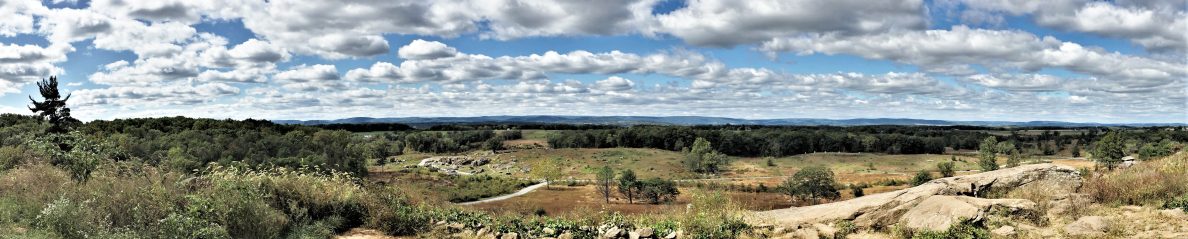
Sheriff Peter Jones chooses THE NEON FLAMINGO MOTEL, a fading roadside attraction, to conduct some discreet professional development. The aging motel, part of a disappearing American roadside tradition has forgotten secrets of its own. Some things remain the same keeping their eccentricities as a guardian against changing times, so it is with THE NEON FLAMINGO MOTEL.
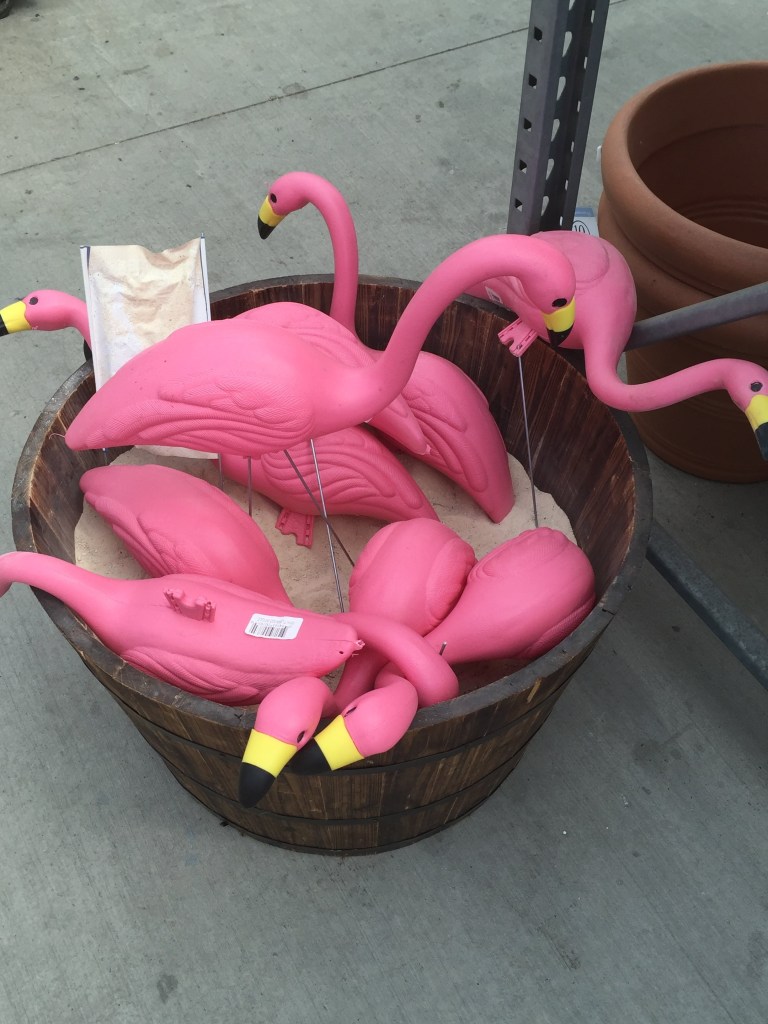
The Neon Flamingo Motel
A 4,320-word short story by Duane M. Engelhardt
Copyright 2018©
Up on the old state highway, just off the interstate, tucked back a bit, kind of catty-cornered to the road, underneath a rusted metal sign of a sixteen foot flamingo, sits the main building. The “Office” as it is known, painted in a kind of worn out worn through peeling eggshell white with red trim, is the business hub of the famous, some may say infamous Nouveau Flamingo Motel.
The motel recently gained some additional notoriety when the County Sheriff, Peter Jones, chose it as the location to perform extensive professional investigative research and experimentation into methamphetamine. The Sheriff was chiefly interested in the effects of a form of crystal meth known as shabu, a rather potent combination of methamphetamine and caffeine.
The county, Sheriff Peter Jones’ county, had experienced a recent run of some labs inadvertently blowing up in the past eighteen months including two homes in upscale residential gated bedroom communities and a rolling lab in an old RV parked at one of the county’s many strip malls. The hole in the parking lot of the farm supply mega store has yet to be filled in and repaved to the regret of the store’s corporate owners. However, in the quest for there is always a silver lining, a local Youth BMX Motocross Club has seized the opportunity to ride “the meth pit of death” as it is now called, every Saturday, weather permitting, from two to four.
The Sheriff, known as Petey to his close friends and constituents, along with his staff had been working tirelessly arresting dealers and closing down labs. A sad truth of these distressing times was that for every meth kitchen, every shake-n-bake lab located and shut down by law enforcement, a replacement appeared to quickly take its place.
This never ending losing battle had taken its toll on the County Sheriff Department’s enthusiasm, taking the biggest bite out of the Sheriff himself. Slowly Petey became enchanted with the drug. Those crystals. The rocks. The term ice had an almost romantic appeal that he found to be more and more intoxicating. The drug became his nemesis, his arch enemy, his femme fatale.
It was not unusual for his staff to find him sitting staring at a plastic baggie of rocks appropriated from the evidence locker. The drugs would sit there on his desk for extended periods of time while Petey seemingly contemplated the world and his place in it. He sometimes pondered aloud, “Why would someone consume the product of such foul and unusual ingredients which included lithium batteries?” How users were able to find paradise enslaved by that concoction was a conundrum to his sensibilities.
Patsy, his secretary, who was secretly in love with him, often found him absentmindedly doodling in the margins of county assessment reports. Surrealistic daydream drawings reflecting his desire, his need to find his personal paradise along with contemplations, musings, wondering if ice was his gateway to utopia. As his secretary and friend, she spent hours erasing his penciled doodles while questioning her faithfulness to the job, the county, her church, and the United States. In the end her love for the man forced her to reveal what she knew to her pastor, who in turn called in an anonymous tip to the DEA.
As noted in Sheriff Jones’ daily diary his plan was simple. He would drive out to the Nouveau Flamingo Motel and secure himself in an isolated bungalow in the back. As a well-informed officer of the law, he should know what he was up against. What harm could it do? Desperate times call for desperate measures, as they say.
Sheriff Jones requested a three day professional development leave and, on a Monday, afternoon drove over to the motel with a cooler of groceries, a twelve pack of lemon lime soda, a bottle of bourbon, and a baggie of rocks. Once there, after convincing the current owner manager that he was working on a legal issue of monumental proportions, a project that required peace and isolation, he locked himself in. He turned the key, the corner of his life, and experienced the euphoria he was seeking.
The Nouveau Flamingo Motel was named by the original owner’s wife, Zelda, who loved plastic pink flamingoes and collected them from her travels across the United States. The rather extensive collection she had acquired made her one of the few recognized authorities on the art of their manufacture, sale, and proper lawn placement. Zelda became famous when she was recruited to co-author the picture book “American Flamingoes and Their Migration.” The book told in photographs, with Zelda’s narration, the tale of the plastic birds from their origin in New England, their domination of suburban lawns through to their slow painful demise upon being relegated to a cheap import from China. Zelda’s health shadowed the spiraling down of the once mighty one legged plastic injected lawn ornaments. It was in fact, her failing health that led in a roundabout way to her and her husband, Frank, abandoning the hospitality industry in search of an easier life in Atlantic City, New Jersey. That and a poker game.
Each spring, after a fresh coat of paint the bungalows of the motel were enhanced by Zelda’s collection of Featherstone’s Birds. A nickname she created in homage to the creator of the plastic flamingo, Don Featherstone. Rather than using a number or a letter Zelda assigned a name to each bungalow. The place names served a twofold purpose, first they identified the geographic location where Zelda had acquired that particular flock of plastic pink birdness and second, they identified which bungalow was which. The Ohio bungalow was decorated lavishly with birds acquired in Ohio, the Pittsburgh bungalow with birds acquired there and so on and so forth. “Everyone uses numbers or letters,” Zelda told Frank, “This makes us unique.”
At one count there were some ninety-five bird pairs. The originals were only sold in pairs which meant, much to Frank’s agony, one hundred and ninety pink flamingoes flocking around the bungalows of the Nouveau Flamingo Motel. Zelda’s Featherstone’s Birds were set off by trails of gravel bordered by whitewashed bricks with yew bushes scattered about adding a sense of greenery and freshness. All in all, a miniature landscaped piece of aviary heaven for those weary travelers in need of a comforting place to stay. “It should feel like home,” Zelda was fond of saying. To which Frank typically replied, “Yeah if they live in pink plastic bird hell.” There were the obvious jokes about the whitewashed bricks resembling large plops of bird poop and at least one slightly tipsy bridegroom trapped at the motel on his wedding night did try to frighten the birds away by micturating on the gathered plastic flock.
At its peak, before the interstate, the Nouveau Flamingo Motel was the biggest customer for Cochran and Daughters Sand and Gravel, located about six miles east on the same state highway. After the spring painting, but before the whitewashing of the bricks, the daughters, close friends of Zelda’s, would deliver fresh gravel to replenish the walkways and the parking areas. Traditionally early spring at the motel arrived with the smell of paint wafting among the gleam of newly shoveled gravel.
Spring also brought about Zelda’s Flamingo Flamboyance, an invitation only event. The task was seriously attended to by Zelda’s close friends among whom included the Cochran daughters. The invitees would be adorned in broad brimmed straw garden hats while carrying large glasses of whiskey sour cocktails as they walked about the grounds of the motel. One year Enya Cochran came up with the idea of everyone wearing pink. Frank, who was a bit nearsighted and had been known to sip from a discreetly hidden bottle of Scotch from time to time during business hours nearly had a heart attack when he saw the huge pink flocks moving from bungalow to bungalow.
Now-a-days the gravel lots and walkways once patiently leveled and raked out have washed away over time or have been pressed down into the mud after years of neglected refreshing. The whitewashed bricks have turned to crumbling blocks of white, dotted with lichens and moss and spotted with blotches of brick red.
According to the old postcards on display in the “Office,” the highlights of one’s stay at the Nouveau Flamingo Hotel included hot summer night cool dips in a small but well-maintained pool and the kitchenette bungalow. “The Bungie” as it was known, was a stocked kitchen that worked on the honor system. Eggs and bacon, coffee, a variety of luncheon meats and homemade bread for sandwiches along with freshly made desserts were there for the hungry. “The Bungie” was staffed by a rotating crew of three who made the desserts, did some cooking by request, and cleaned up for a sizeable tip. Guests paid what they felt was appropriate and often many left a box of groceries for the larder. Anytime of day there was always fresh coffee. Before the interstate, state troopers used to stop by, get some coffee, grab an overstuffed sandwich and head back out on patrol.
“The Bungie” continued serving breakfast, lunch, and late night snacks until the buildup down the state road of the strip mall which included a couple of fast food joints serving burgers or chicken or Chinese food or tacos. In an attempt to be different, the current owners changed the menu at “The Bungie” from typical kitchen food to vegetarian brown rice and tofu yogurt granola with natural ingredients. Then one day the owners just surrendered to the competition. The stove, the refrigerator, the staff, “The Bungie” was gutted and replaced with vending machines. Now open twenty four hours you can get cereal, soda, coffee, or microwave a burger or a sandwich. The new “Bungie” is now complete with a change machine inside or if needed there is an ATM in the lobby of the motel.
It’s not really a lobby but rather the motel office with a long thin counter desk backed by several pigeonholes for bungalow keys, a couple of chairs, a tourist brochure stand maintained by the County Tourist Agency, and an old first edition personal computer with an aging monitor that accomplishes nothing more than serving as a desk ornament.
Each morning Zarathustra, one of the current owners, fires up the system and waits as the monitor hums to life. Tush, as he is known, sits and stares at the monitor for hours over a pot of tea trying to decipher the randomness of the green letters and numbers that fill the screen, examining them as if they were some form of encrypted secret hieroglyphs from the past. Off to the left of the counter is the ATM put there in barter for a really good rate from the bank on the latest mortgage.
That mortgage was secured by Zarathustra and his old lady Corn Flower, an aging hippie couple who somehow acquired the deed to the motel. Some say that transaction came about during an all-night poker/crap game that Frank used to run in the back. As the story goes Frank’s luck was running out and betting on a sure thing, like all real true gamblers, he put up the deed. The pot had grown to include several keys of really good marijuana from south of the border. At the end of the night Tush won the bungalows, a swimming pool, and a small dinette, but much to Frank’s regret, not the flamingoes.
The day Frank and Zelda packed up the trailer with belongings not to be trusted to interstate movers Frank explained the intricacies of proper motel management and as a favor asked that Benji the pool guy be kept on. Benji, Frank confided, was a bit slow and downright lazy. In truth Benji was a deaf mute who loathed Frank and Zelda but felt obligated to do his best work at a measured pace for them as they were his employers. It is rumored that Benji may have helped Tush win the poker hand that included the Nouveau Flamingo Motel in the pot. Tush had no plans to let go of Benji, with whom he had become instant friends. In turn Benji was the perfect devotee for Tush’s ramblings on gardening, politics, flying saucers, and legalizing marijuana. Tush’s old lady, Corn Flower, often describes the two of them as partners in crime. There is no proof, as far as crimes they may have committed, but Benji prefers not to be around when Sheriff Jones or any of his deputies stop by. Among other things, Benji is regaled as a pool magician and however he does it, the motel pool is always the envy of local swimming pool buffs.
Behind the counter is the owner’s residence. Through a heavily beaded curtained doorway that occasionally moves from side to side during the day, pushed around by a very large dog as he moves in and out, you can spy their kitchen. That quick glimpse reveals plenty of hanging drying herbs, mismatched pots on the stove and a well-used tea kettle that always seems to be boiling. The dog, affectionately known as Mutt, always looks as if he has just wrestled in a briar patch and then ran through the muddiest wet grass, he could find covering him in matted fur knots and dry dark patches. Tush likes to tell the tale that Mutt is a retired prison guard dog suffering from dog dementia who sometimes forgets himself and breaks out in chase of locals or the guests.
It is not unusual for the dog to come back home with torn or ripped pieces of clothing clenched in his teeth. “So, the spots could be mud or blood, there is never any way to be quite sure.” Laughing, Tush goes on about the time when an overly friendly guest reached down to give the dog a good scratching and Mutt, not being familiar with the man, took offense. “The poor dude was chased around the motel grounds for a solid half hour before he escaped by locking himself in his car.”
The air conditioning never really works in the office and the initiated can smell the faintest aroma of combustible herbage drifting about the air as well as clinging to the owners. Late afternoons Tush can be found behind the counter taking his siesta which means sitting back and reading books about organic farming or the current edition of the UFO Digest listing the latest sightings. Corn Flower spends afternoons beading or deep in embroidery and is known to occasionally throw a pot or two, firing up a kiln lovingly maintained by Benji. It turns out that Benji can build almost anything when given detailed plans.
Two things Tush firmly believes in and afforded the opportunity will sit with you, share a beer and talk for hours about, are pesticides and how they are poisoning the world or why he had Welcome Aliens painted on the roof of the main building. Give him the time and Tush will pull out the framed photograph and article showing his roof that was published in USA Today. With tears in his eyes, he will expound upon about how he knows that they are out there and noddingly confirm that the odds are on the side of their existence. He will tell you that they have been here, honest to God, and then recite the times he has had encounters with unknown lights in the sky. If you are lucky and he trusts you he will tell the story of his abduction. Typically, this is when Corn Flower breaks in and reminds him that the weekend of his imaginary alien abduction, he had done several buttons of peyote and was trying to communicate with his supposed American Indian ancestors, attempting to get back to his roots. Laughing she insists that he may be crazy and twirls her index finger at her temple to confirm her diagnosis.
Until Sheriff Jones, The Nouveau Flamingo Motel had one claim to history, to literary history depressing as it was. A little known beat generation poet on his trek out of New York City heading west in search of spiritual illumination stopped at the motel for a week. Here unfettered he wrote the best poetry of his career and then committed suicide. The suicide sent his book of poems, poems of anguish and despair and concern for the future of mankind, on to the best seller’s list for some time after his untimely death.
At the time there was some concern and suspicion over the manner of his demise. It seemed that the gas line to the space heater pulled free and the poet died as he worked at the desk writing poems questioning the existence of God. Feverishly writing poem after poem in an inspired fury until ironically asphyxiating at the same desk with Gideon’s Bible in the drawer. In the margin of one he had penciled, “this is the best I have ever written.” It was an ode to death. A macabre poem about two feuding flamingoes, who unrequited in their love drove one another to death by heartbreak. The poem ended with a beautiful quatrain of a funeral urn magically dissolving over a city skyline dispersing the spirits of the now joined for eternity soulmates across the world. Erroneously his friends mistook this for his last wishes and out of respect they had his body cremated, scattering the ashes one windy afternoon from the observation deck of the Empire State Building over New York City, although he was really from Pittsburgh.
While staying at the motel the poet would tell the story to those who would listen of having picked up a hitchhiking Jack Kerouac one dark and stormy night. He gave the brooding man a ride and as they drove, they chain smoked cigarettes and drank cups of Bolivian yage tea from an old thermos while comparing ideas about the world, debating God, and the meaning of life. Jack, as the poet called him, encouraged him to quit his job as a sausage maker, leave Pittsburgh, run off to New York City and become a poet. It was Jack again that convinced him to leave New York City and head west. Go west young man. Enlightenment awaits in the foothills of the Rockies, was the advice of Jack as recorded by the poet in the foreword of the posthumous published poems.
It is no secret that the gas lines to the space heaters at the Nouveau Flamingo Motel are notorious for coming free. That bit of trivia prompts locals to warn travelers to stay away from the motel in cooler temperatures. Several years before the poet had taken up temporary residence one of the bungalows did blow up. Thankfully, no one was injured as the motel had been going through a vacancy spell. The volunteer fire department ruled the blast accidental, although there were unsubstantiated rumors that Frank may have been trying to rid himself of the plastic flamingoes stored in the small attic of the building. The net loss for the insurance was seven disfigured flamingoes and one destroyed bungalow that provided firewood for the motel for the winter.
The fact that the poet had died there made the place a literary historical landmark drawing tourists, but much to the disappointment of Frank and Zelda not guests. One of Tush’s cherished keepsakes is a well-read dog-eared first edition of the dead poet’s poems. It changed their lives. Its free verse and random use of words gave him and Corn Flower insight into understanding the world around them, as well as an appreciation for the simpler things. So, it was unexpected and a genuine pleasure when Corn Flower and Tush learned that the Nouveau Flamingo Motel was in fact the Neon Flamingo Motel, the title poem of the book.
That book that treasure that guidebook for life was written in the only bungalow that Corn Flower and Tush traditionally now leave unoccupied, no matter how desperate travelers are for rooms. With the help of Benji, Tush restored the rooms to the way it looked that fatal night, before the explosion, giving tourists in search of their personal nirvana a physical connection to the poet’s temporary den. There, next to the state sponsored faux bronze historical marker, tourists looking for the death of the beat generation pull up in their VW micro buses or on motorbikes holding copies of the man’s poems to their breasts. With tears in their eyes, they retell the story to anyone who will listen of how the unpretentious poet gave a ride to Jack Kerouac and how the mysteries of the universe unfolded to the two of them while they drank cups of hallucinogenic tea.
That next Wednesday morning after Sheriff Jones had checked into the motel, he was found in Klucker’s One Stop Shop Grocery and Butcher. Klucker’s recently held their grand opening at the strip mall down the road from the motel. The ribbon cutting was performed ceremoniously by local dignitaries with the traditional pair of oversized shears. Surprising as it now seems, the local dignitaries included Sheriff Jones, who joined Mister and Missus Klucker along with Benji who was hired to dress as the store mascot in a chicken suit and did the actual cutting of the ribbon.
Petey was discovered wandering up and down the frozen food aisles somewhere between the diet meals and the frozen novelties dressed in a pink ballet tutu that he had apparently stolen from the dry cleaners next door. This was no surprise as everyone knew that one of Petey’s boyhood dreams was to dance. Pirouetting and plieing down the aisle to the standard grocery market music classic hits of the seventies with several patches of his hairy chest pulled bald red and raw, wearing one black and white striped knee sock, the store’s head cashier considered Petey a potential peril. The last straw came when he gave one final twirl providing Mrs. Filibuster, the head cashier, a vision of what was at one time Petey’s manhood. She screamed and then fainted while he sucked on diet ice cream fudge bars. The deputies, formerly his coworkers, once his friends, blindsided and tackled him while he was attempting to pass out ice cream samples to bewildered customers.
The official report has the sheriff waking up naked after his professional development experiment behind the strip mall where he spied the open door to the dry cleaners. In need of clothing Sheriff Jones wandered in and grabbed the first available items which included a pink tutu and black and white striped knee socks property of the high school girls’ soccer team. Once so attired, he then wandered through the loading dock into Klucker’s One Stop Shop Grocery and Butcher for something to eat. The rest is a matter of record as recounted by Mrs. Filibuster.
The bungalow, ironically the Pittsburgh, was considered a crime scene for a couple of weeks and off limits until Sheriff Jones’ hearing. Sitting on their porch one evening an exasperated Corn Flower pointed out to Tush, that at least this time notoriety didn’t involve death or an explosion. She wondered if maybe it was time to just toss the old name, exploit the stoned sheriff, and redo the sign in neon. She sat back and spread open her arms, “The Neon Flamingo Motel.”
Tush agreed in one word, “perfect.” Then feeling a bit mercenary he asked Corn Flower if she thought people might come to see the bungalow that brought down the sheriff. Maybe the state will give us one of those historical markers, “The Pittsburgh, where the law got stoned.” The two laughed. Mutt yawned and went back to scratching.
Frank and Zelda, who had come back to testify as character witnesses on Petey’s behalf, stayed at a big chain motel closer to the county seat where the trial was being held. That last night in their room taking full advantage of the free minibar offered to them as a professional motelier courtesy, Zelda complained to Frank. She had been disappointed after driving by The Nouveau Flamingo Motel earlier in the afternoon. To her professional eye it had fallen into ruin. The place needed a good cleaning up, some fresh gravel, and painting, she told Frank. It looked ordinary without the flocks of pink flamingoes, she added.
Frank, inspired by the free booze came up with the idea of selling some of Zelda’s treasured plastic flamingoes. He teased Zelda that there were plenty flocking around their apartment and it was like having her brother and his family move in for an extended visit. Maybe Tush would buy a couple or twenty, if Zelda could stand to let some of them go. Frank made them both another drink and lamented about giving up the motel business. Toasting one another they agreed that they were at their best when they ran the place.
Petey was never quite right after recovering from his time in ecstasy. Although he had given years of exemplary service to the citizens of the community, the county was forced to relieve him from his job as Sheriff and place him in incarceration. In a plea bargain he was released into the custody of Patsy who occasionally allows him out to do lawn work with the precondition that there be no flamingoes in the yard.
The motel, the now famous Neon Flamingo Motel still sits up on the old state highway, just off the interstate. The main building underneath an electric neon sign of a sixteen foot flamingo, is tucked back a bit from the road, kind of catty-cornered to the highway and painted in a kind of an eggshell white with pink trim with large letters on the roof proclaiming “Welcome Aliens.” The motel is distinguished by two state historical markers, the faux bronze kind.
Originally Published in the The Charleston Anvil, Issue 14 (Summer 2022)
 Duane M. Engelhardt